
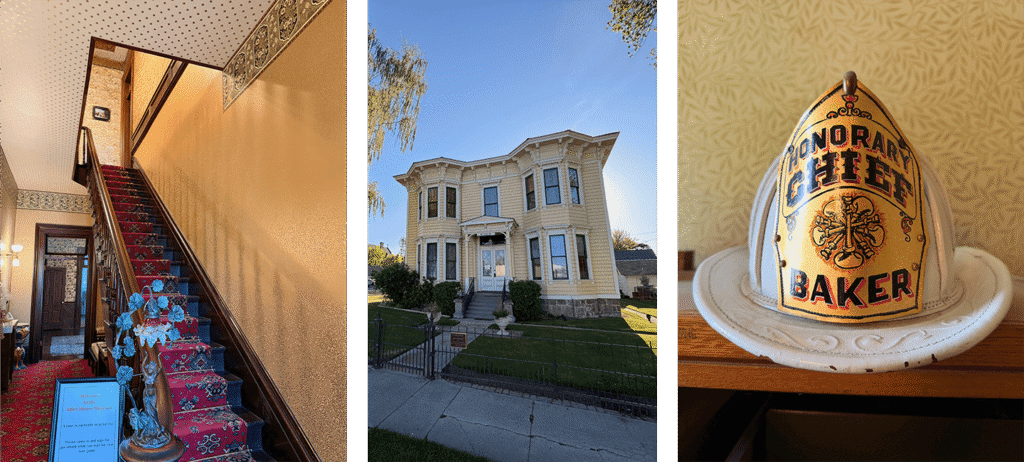
After spending some time in Baker, you’ll start to see and hear the name “Leo Adler” a lot.
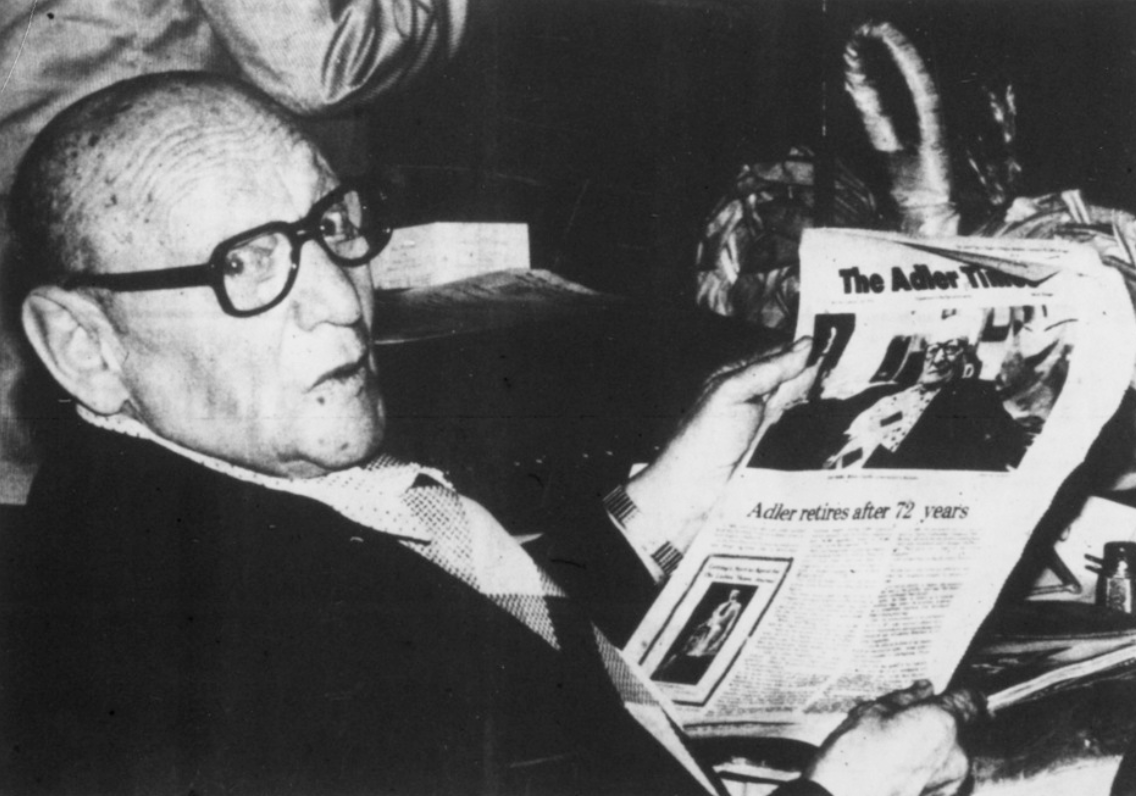
Maybe you stopped by the Adler House Museum right on Main Street, or walked the riverside Leo Adler Parkway. Lots of communities name things after important figures, but Leo Adler is a pretty special figure indeed. The son of German immigrants, Leo Adler grew up and lived his whole life in Baker City. In fact, he lived nearly his entire life in the very house that bears his name today. While his father founded and ran the Crystal Palace, an emporium of housewares, Leo got his career start at the ripe age of 9. He began selling newspapers and magazines. Eventually this business made him rich as the exclusive wholesale distributor of magazines in the Pacific Northwest.
A love of community and baseball
Even though he became a wealthy man, Leo never married, had no children, and didn’t spend his money on frivolous things. His main indulgence revolved around baseball. He attended in-person over 20 World Series games. During his life Leo donated funds for local sports facilities and programs, equipment for the local fire station (where he became an honorary fireman), and to the support of education, medical, and historical facilities and programs throughout Baker.
Ongoing generosity – from scholarships to free steak dinners
When he died at age 98, Leo left most of his $20 million estate to the local community. The Leo Adler Foundation and Community Fund continues to fund local emergency and medical equipment (and stipulates that all firemen and their families receive a free steak dinner every year) as well as scholarships for all local high school graduates pursuing higher education.
Without Leo Adler, Baker wouldn’t be the same. His love and devotion for this local community shines in every decision he made. Learn more insights about Leo’s life and his family at the Adler House Museum.
Want to know more? Pick up a copy of The Spark and the Light: The Leo Adler Story at Betty’s Books on Main Street or at the gift shops at the Baker Heritage Museum or National Historic Oregon Trail Interpretive Center.